Two Patterns in One! Knit & Crochet Interlude Shawl

ScannedImageSo I have done something a little different, and I am excited about it.
IMG_7390 (2)

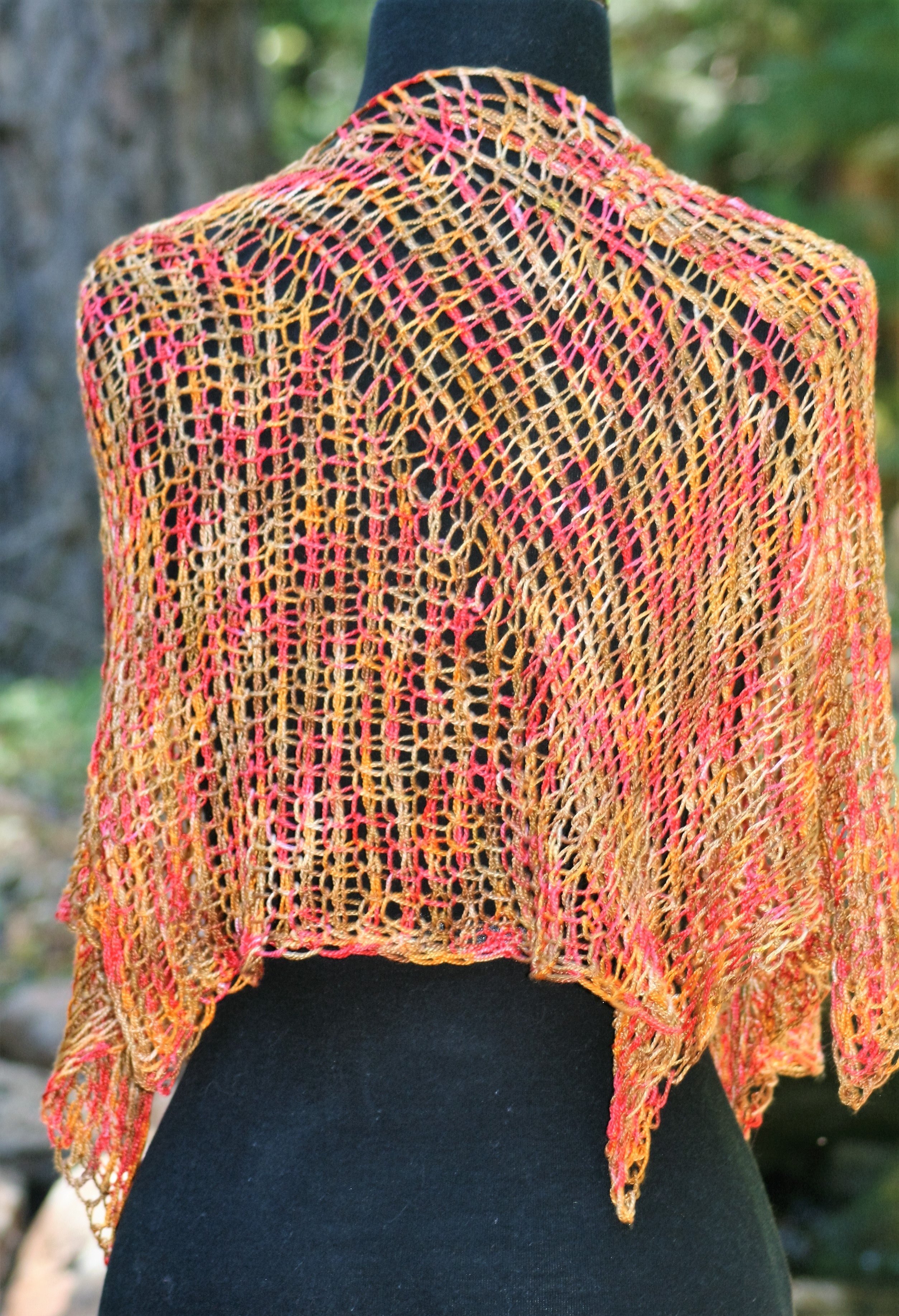
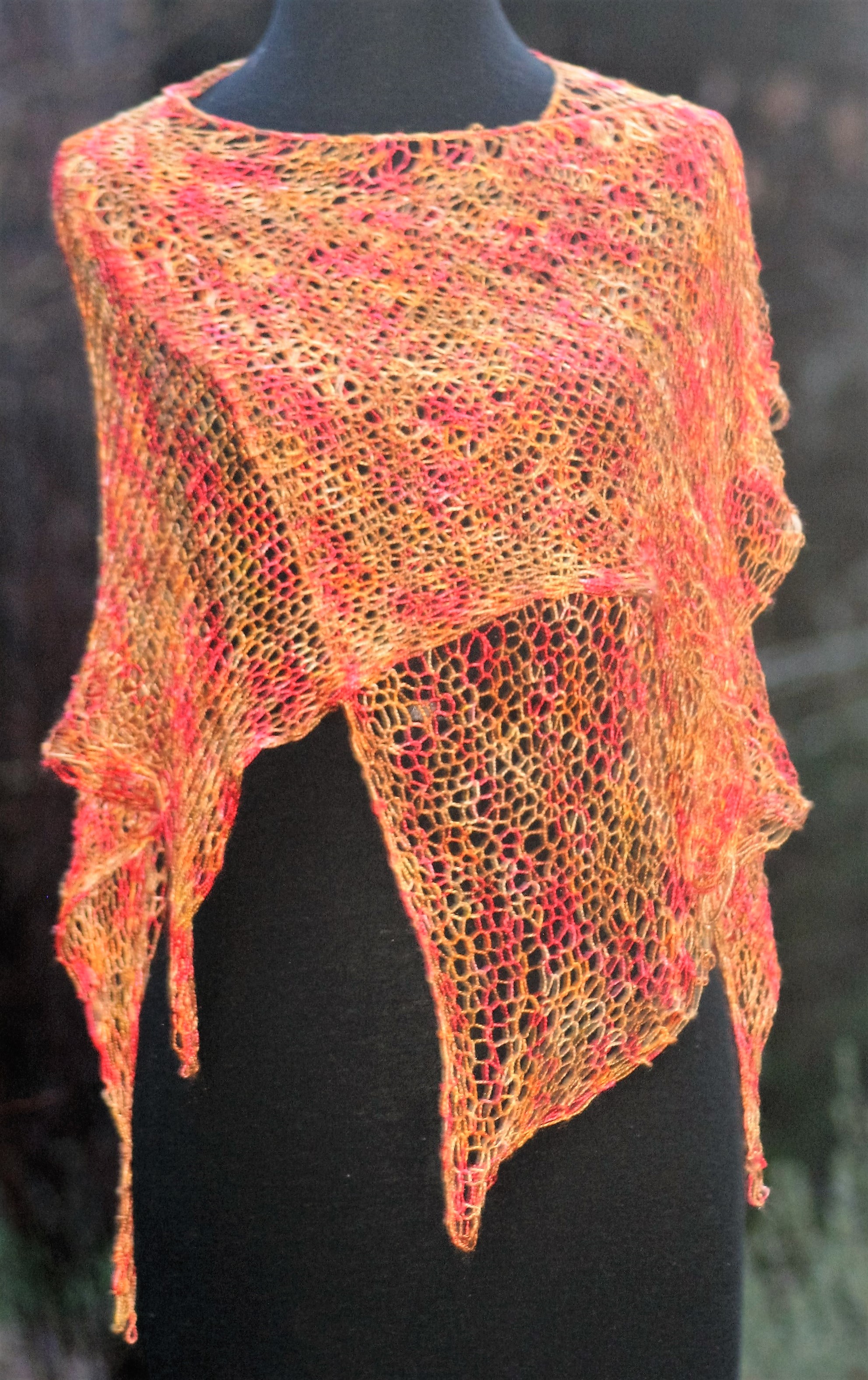
Interlude Knit Shawl

In the past I shared how my daughter was teaching me to knit (you can read about it here), I will admit I have not been the best student. I can understand knitting in principle and concept but actually getting the needles to work with the yarn is a different story completely. However my lessons have encouraged me to go out on a limb and create dual craft patterns, with the first being Interlude.

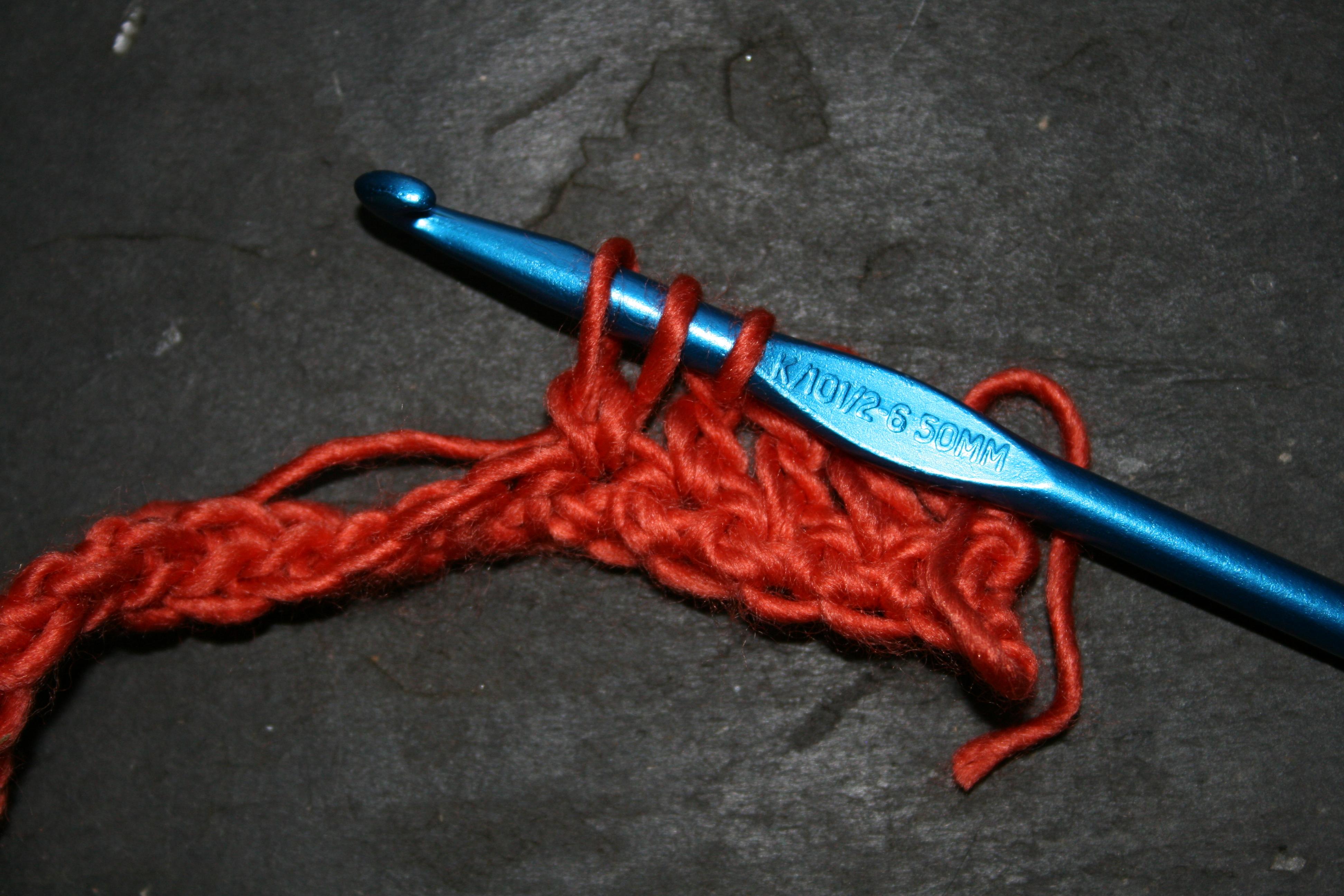
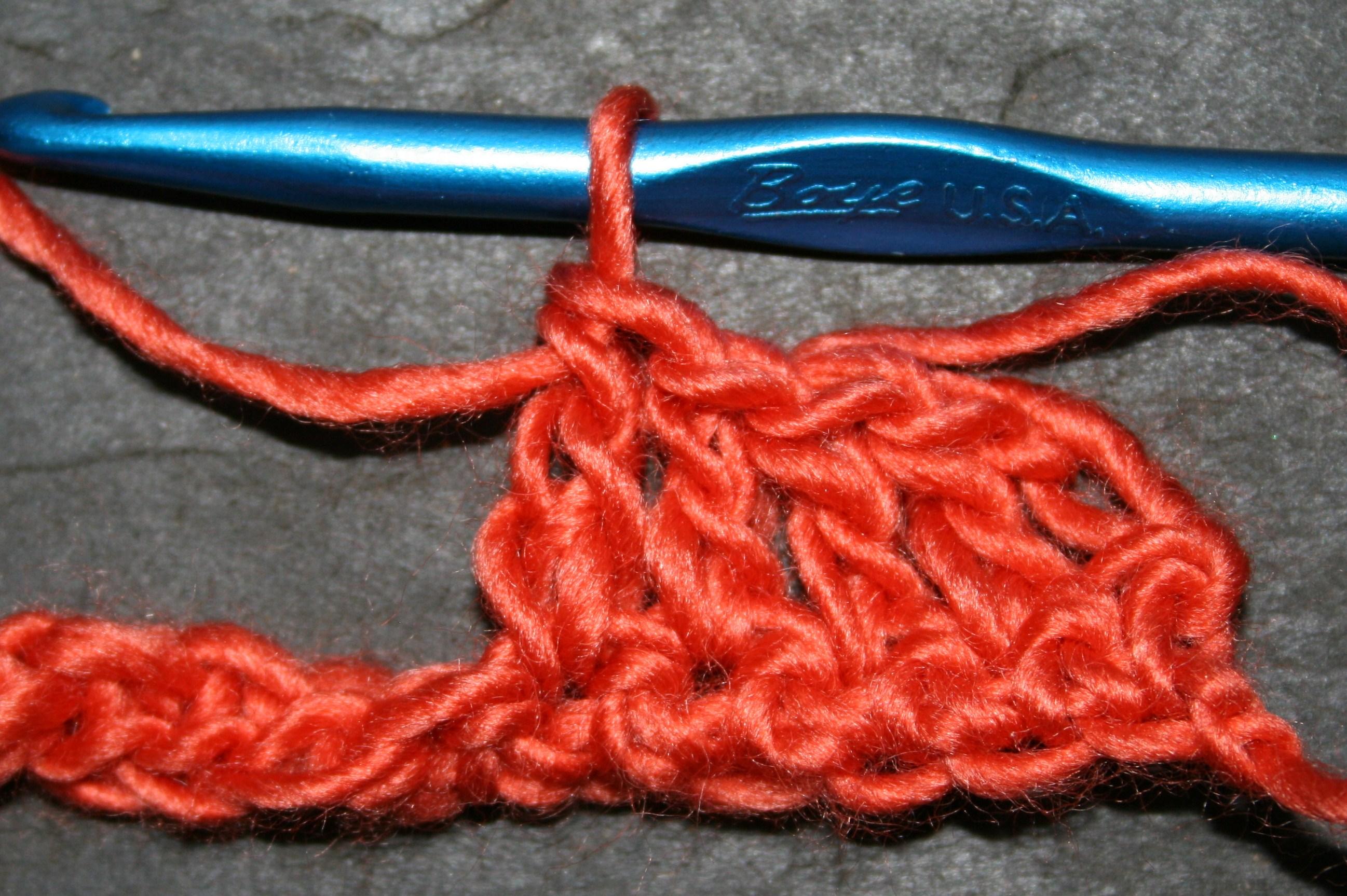
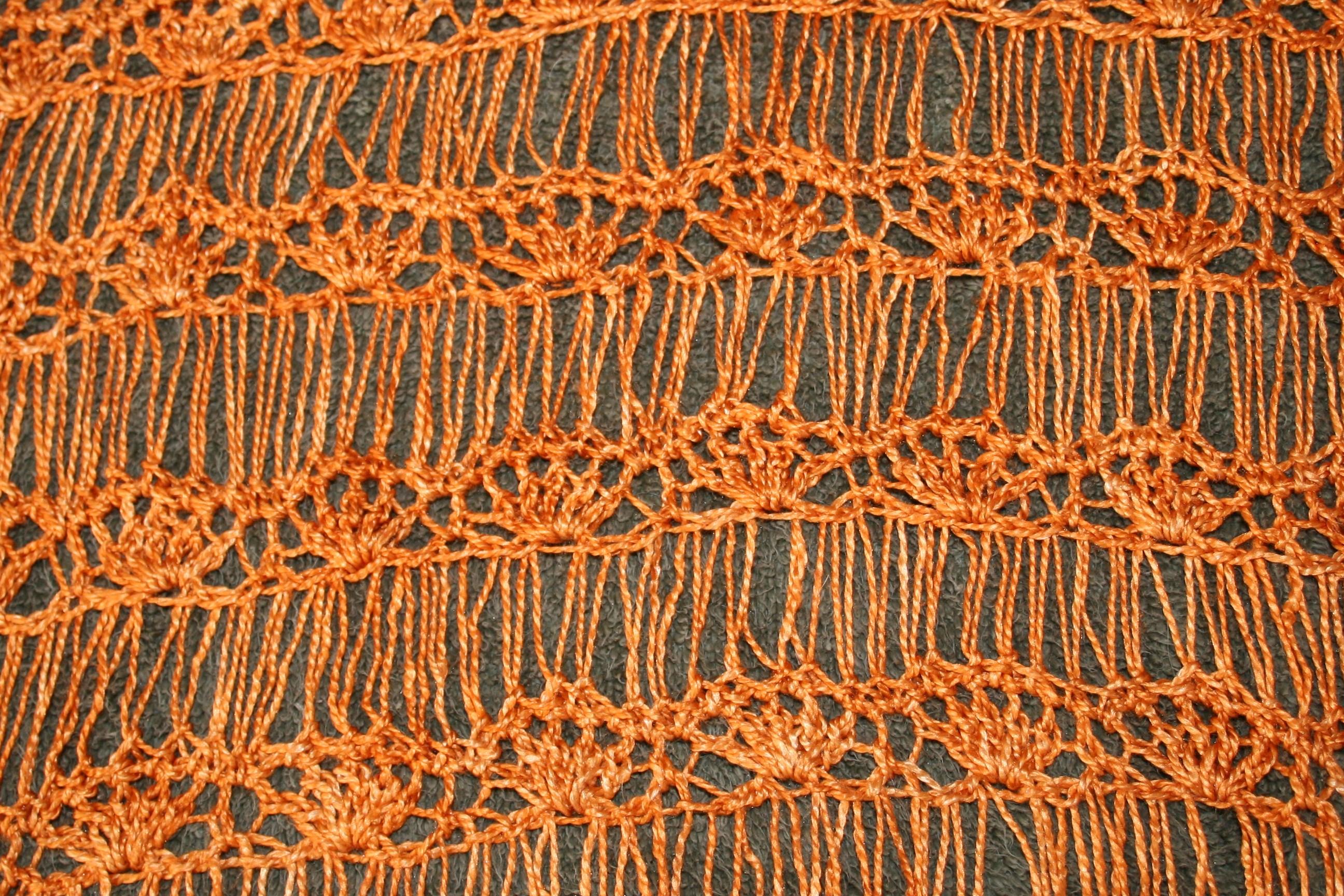
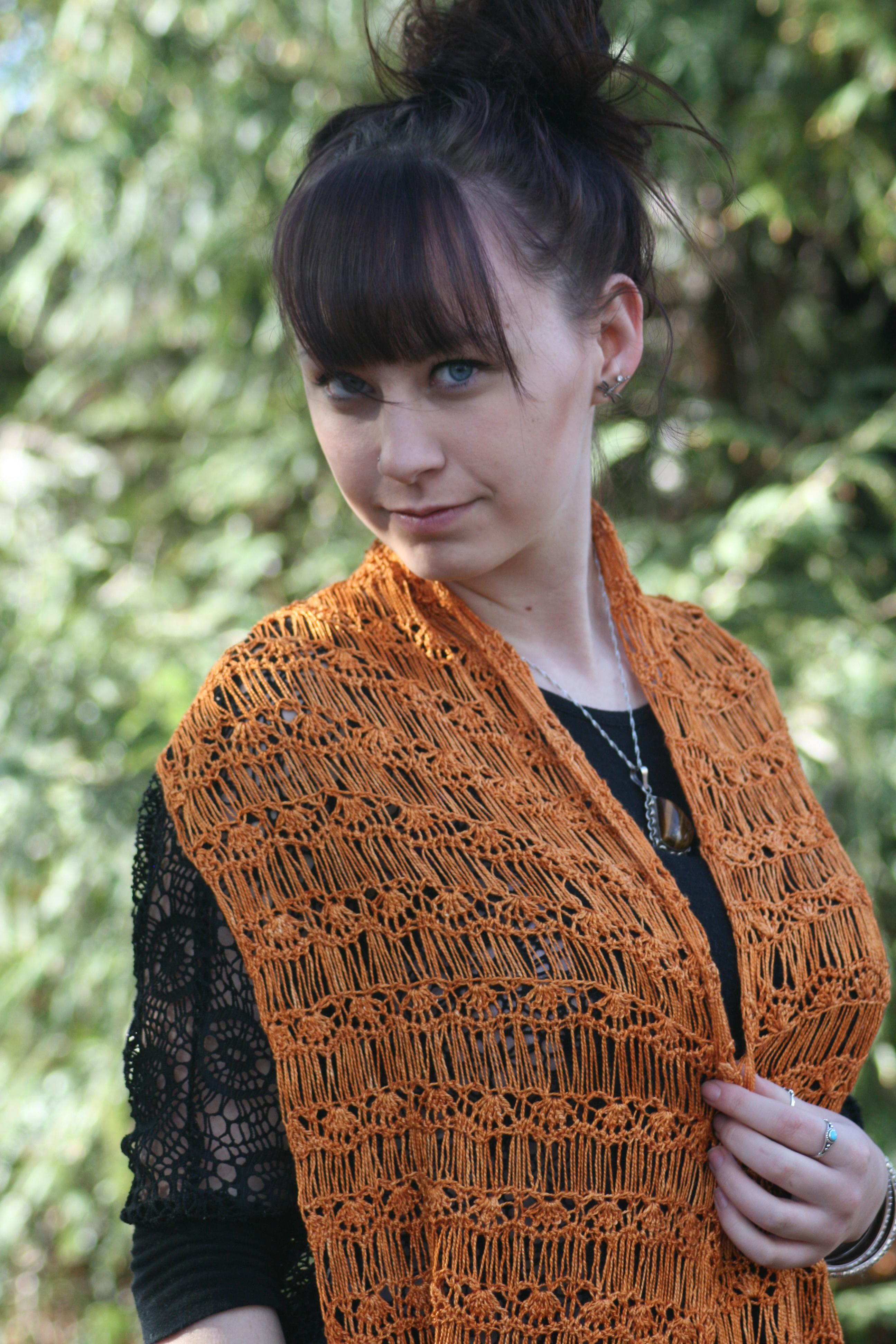
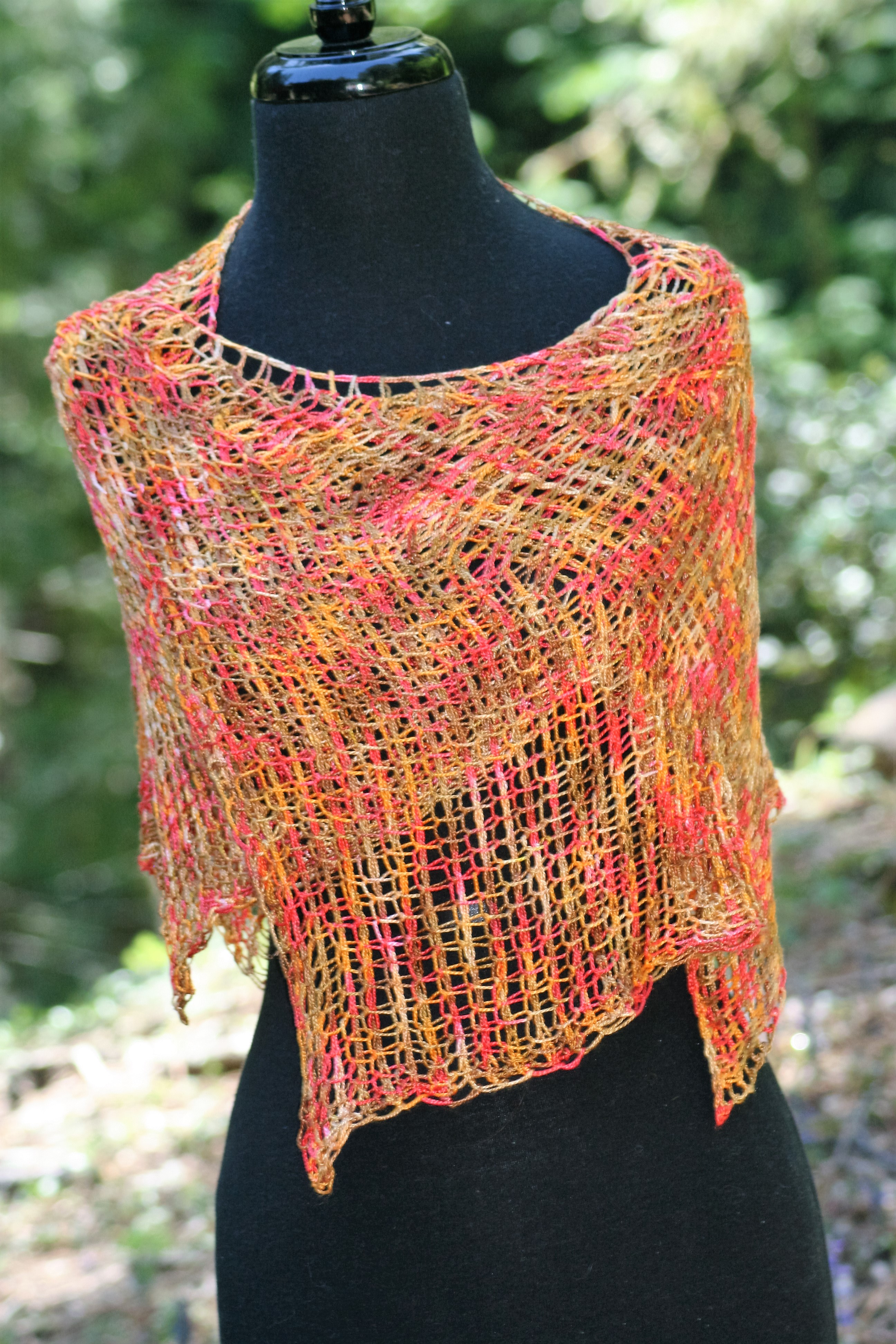
Interlude is a shawl that is worked in with one skein of Lisa Souza Sylvie Silk, but it can be worked in either knit OR crochet! Okay, technically it is Tunisian Crochet, but still 2 different ways to create the same look.
IMG_6934 (2)

Interlude Crochet Shawl

Obviously the finished product is not identical, but they are very similar; they both work in short rows on large hooks/needles, they both have beautiful drape, they both use only one skein, they both work up quickly, and they both have the same completed shape.

This, okay, these shawls debuted at Stitches West in Santa Clara this past weekend, and there was some definite excitement about the fact that there is actually 2 patterns in one (I had requests for other of my crochet designs to attempt to be converted to knitting), as well as just how yummy the ultimate design is. So fast and yet elegant.
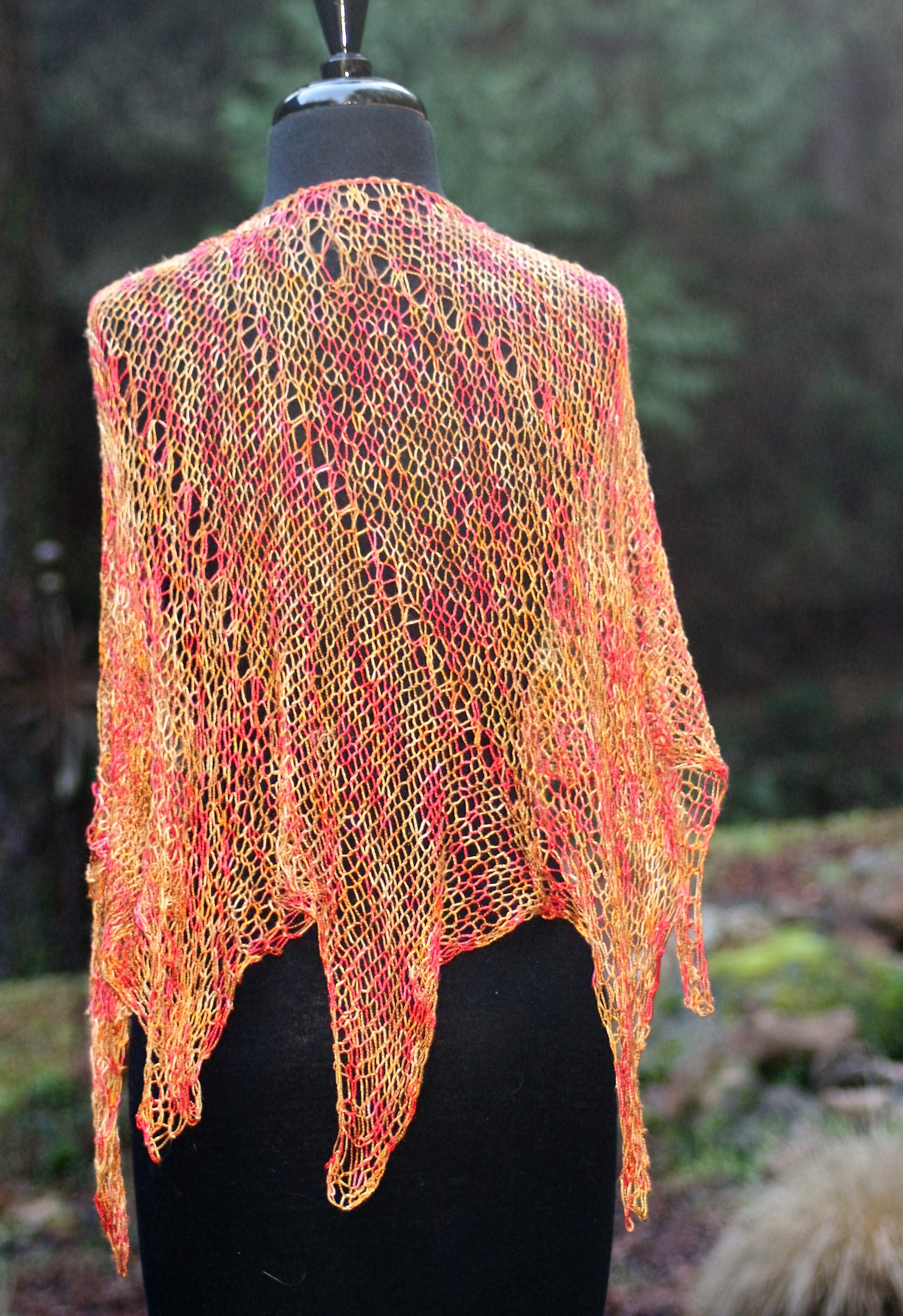
IMG_7378 (2)

Interlude Knit Shawl

IMG_6932 (2)

Interlude Crochet Shawl

I have to give complete thanks to Lisa Souza herself, for actually knitting up the knit version. I had attempted to complete it myself, but after it set on my needles for months, I knew if it was up to me it would never come into being. Like I stated, I understand the concepts, but the hands are not as proficient as my mind, so I got completely hung up on the short rows. But I can share Lisa’s feedback, she told me that at first she was questioning my sanity, as it is a fine yarn on rather large needles, then she found it rather addicting and finished with just a couple of hours over two evenings. However the magic happened after blocking. The stitches were not readily apparent until it dried, then it all came together and she dubbed it a success (she may still question my sanity, but it is not about this pattern).

This is an interesting adventure, which grew out of my daughter’s simple request, I am personally interested in seeing where it might lead. To help celebrate my enthusiasm with this new undertaking I am offering a 20% discount on ALL patterns in my Ravelry store with coupon code SW2016 through March 31, 2016 (no limits, use it as much as you like, and share it with friends). Thank you for sharing this adventure with me!
Fronts & Backs, the Confusion, the Difference

ScannedImageSometimes it can be the simplest things that trip us up; this is even true in crochet. Sometimes, it is just because we are overthinking things. This can be true when utilizing the front and back loops of a stitch. In crochet the standard fall back for all stitches is to work through both loops that are created at the top of a stitch, so if a pattern does not specify anything you are assumed to work through both loops, however there are times you do get a noted distinction….front loops and back loops.

DSCF1093

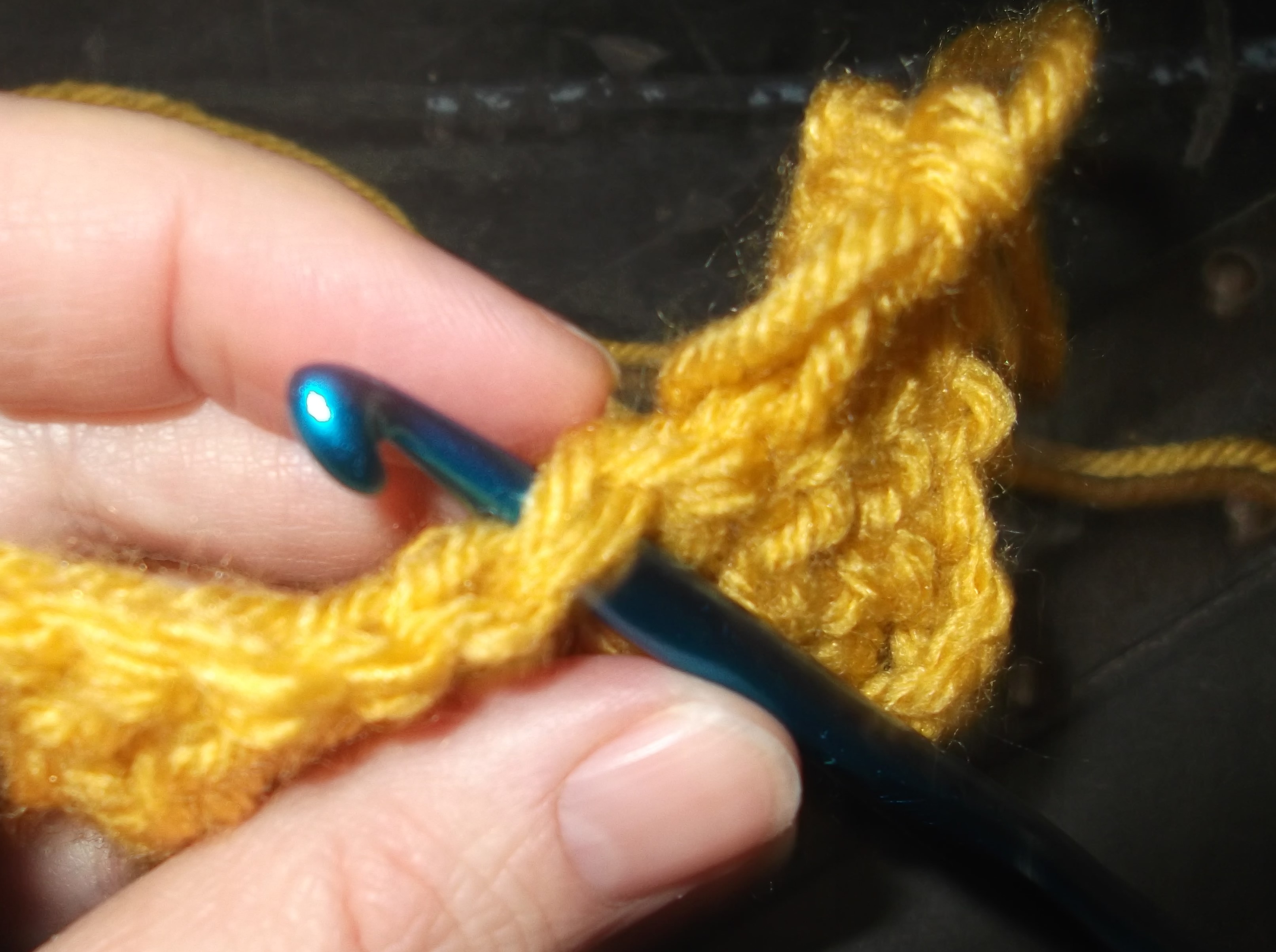
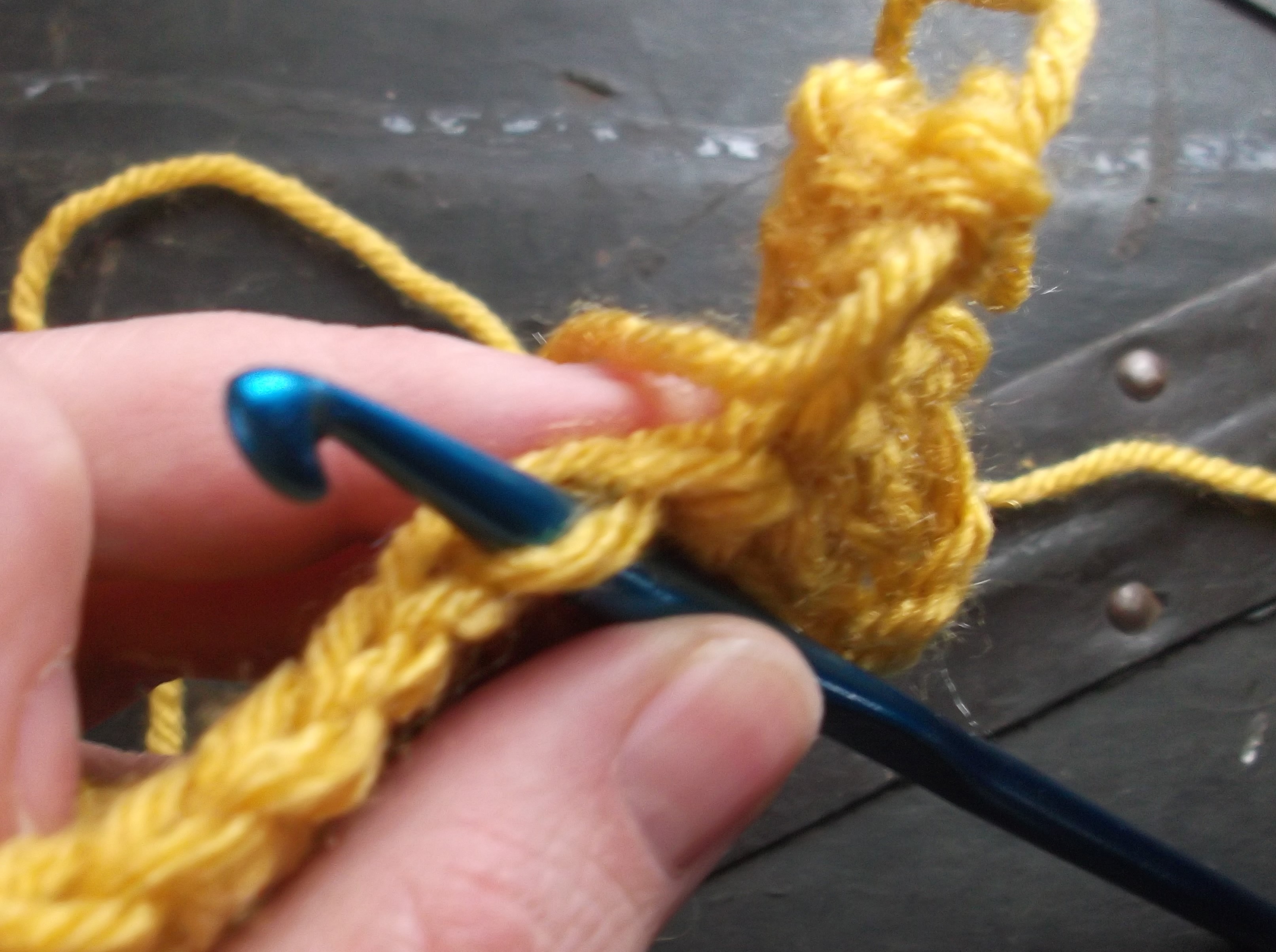
Working in the front loop, notice how the hook comes from the bottom of the loop upward.

It almost sounds too easy. Working in the front loops across….working in the back loops across….But I will admit, my brain sometimes holds onto the prior position of the loop, instead of where it really is right now. I think we have all had these moments. Our brain is a little groggy, a little overloaded, and a little set in its ways, so it just almost quits processing the information. By this I mean, when you work a stitch, the loop on the top closest to you is the front loop, and the on top furthest away is the back loop; when you turn your work, these same principles still apply, but now the names you just recognized for the loops to row before has switches. 

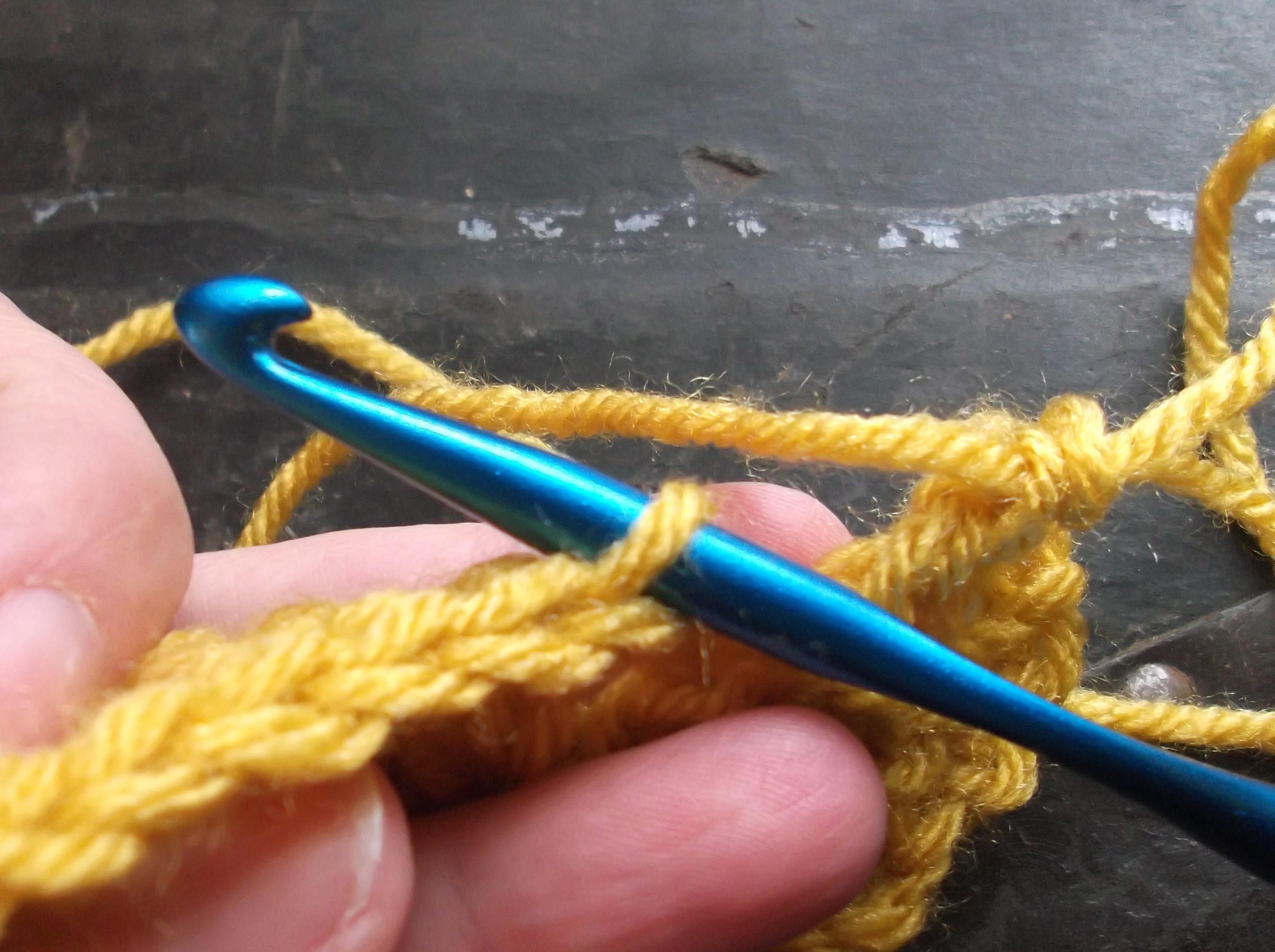
The position of the loops applies to the row you are currently working into, not the position of the loops on the stitch just being created.

DSCF1095

Working in the back loop, notice how the hook comes down from the top through this loop.

This does become an important distinction, as it gives the fabric a different look and structure. Working in the back loops of a row give a more textured feel to the fabric as well as creating a little more stretch. While working in the front loops adds a simple decorative element and a little extra height to the fabric overall. The reason for these differences is actually the nature of crochet stitches. If you really look at a row of stitches, you will find that they actually are a little tapered, with the right side facing you the back of a stitch will be a little taller than the front. It is this slant that creates the ribbing effects of some stitches, and the decorative effect of others.

DSCF1089

The standard method of beginning a stitch, if not otherwise stated, working under both loops.

Just keep in mind, that we all have those days, so if your fabric doesn’t look how you have expected, revisit if you are placing your stitch in the right location; it can make all the difference. 


Crochet & Time?

ScannedImageThis time of year lends people to think of possible handmade/homemade gifts, and can lend crafts to unrealistic timelines.

I have been there many times, thinking I will make everyone on my gift list their own (blank); afghan, scarf, hat, mittens, pillows, etc. you can probably insert just about any item in the blank…and please note I stated “thinking”. Over many years I have had these thoughts, but only on a few occasions have I even came close to meeting my target.

One of the problems with attempting to complete any stitch work this time of year is all the distractions. It seems like the month of November just evaporates with the coming of cooler weather at my home (and the hope of rain), while as soon as Thanksgiving Day, and meals with family have commenced I blink and it is Valentine’s Day. This seems to happen every year, I never know where December goes.IMG_6186.1

I do recognize that both of my kids celebrate their birthdays, as well as my own, not to mention 4 other extended family members in the four weeks between Thanksgiving and Christmas. This can add an extra level of craziness with parties and get-togethers in addition to holiday traditions and events. No wonder I can only get a couple stitches in at a time.

I will admit that at more informal gatherings, I have been crocheting while visiting with friends, finishing up projects or at least making some head way on them. I have a portable project with me at all times, even when I have two minutes waiting for the kids to get out of school I am working a couple of more stitches, maybe I can finish that next row.

So with multiple stitches on the hook, and many distractions, I am really no longer sure where my time is evaporating to, but hopefully I will make it to the New Year!

Adding Stitch Extentions

ScannedImageThe world of crochet seems to be ever evolving, and one technique that I have seen recent renewed interest in is the “extended stitches”. Extended stitches are essentially the same stitches as are regularly used, single, half double, double, treble, etc. however they have an extra pull through making them slightly taller.

IMG_6325.1

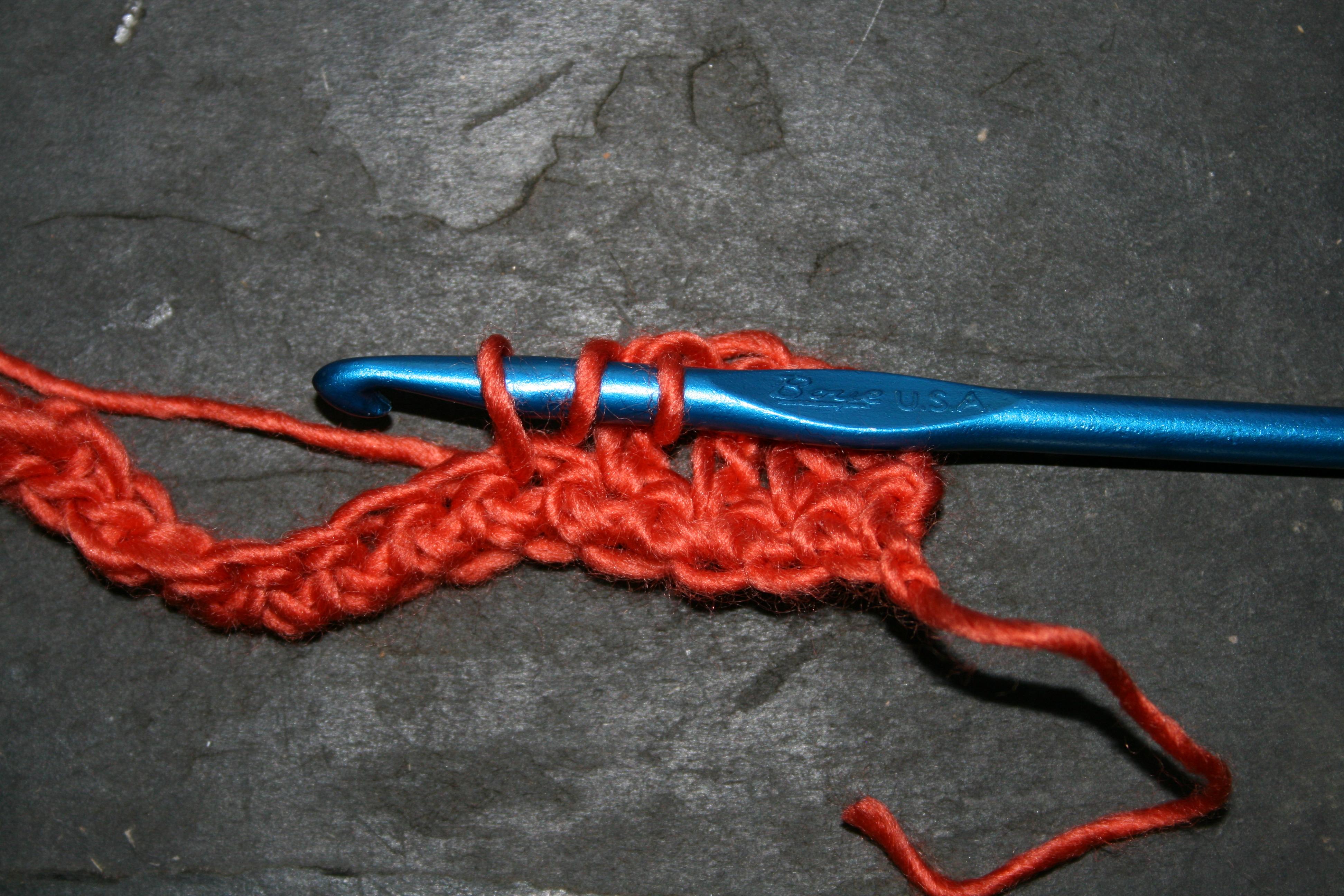
Begin an extended double crochet just as you would a typical double crochet; yarn over, insert hook in indicated space, yarn over, pull up a loop

This stitch type is really nice is you are created a fabric that has gradual height changes as an extended single crochet is slightly taller than a single crochet, yet slightly shorter than a half double crochet, creating a very nice gradient of height by using the three stitches together.
To create an extended stitch, you begin as you do for the standard stitch, for example for a double crochet and an extended double crochet you; yarn over, insert hook in indicated stitch, yarn over, pull through up loop. Now, this is where the only difference now takes place, for an extended stitch, you chain 1, then continue as you would with the remainder of the stitch, yarn over pull through 2, twice.

IMG_6326.1

Next, Chain 1, then complete the stitch as normal, Yarn over, pull through 2, twice

By simply creating a chain stitch at the very base of the typical stitch you create this extra height. Another interesting creation with this stitch is that it creates a fabric that is a little more “stretchy” than the traditional stitch, while giving a very similar appearance. I often mix this stitches in items that I create in a free form style to allow for smoother transition of styles, and I also use then mixed with more traditional stitches to create fabrics with subtle texture changes.

IMG_6328.1

See the subtle difference between the stitch on the left and the one adjacent, the bottom of the stitch as a little more height before the first bar in the post

I hope this clears up any mysteries about this simple adjustments to everyday stitches, that can easily be added to you foundation of stitch knowledge.

My Drop Stitch Journey

ScannedImageAs any long time crochet has realized “fancier” crochet stitches really do not have a single name. The term Popcorn, or Cable give you the basic idea, but a Cluster can have a few different interpretations. So it is important to pay close attention to the “Special Stitches” selections of patterns, and if working up your own idea, remember to be consistent with the process or steps of your stitch.

IMG_6122.1 -copy

The Drop Stitch with Shells

With that being stated, I wanted to share how my version of the “Drop Stitch” came about.
Several years ago, I was attempting to find a way to create a round open loop within a row of fabric. I know you can create chain and skip spaces, but I have a vision that was a little different, almost like a “loopty loop” of a roller coaster. In my attempts to find this approach to fulfill my vision I began playing with some “long loops”. With these long loops I twisted, I stitched over, I stitched through and around, in various ways and found eventually found a way to make them secure in the fabric, and eventually began to see what resembled the effects of Hairpin Lace.

Summer Rays Drop Stitch Wrap- pattern.

Summer Rays Drop Stitch Wrap

I wrote up the process and created a short scarf for Crochet! Magazine in the Summer 2012 issue to explain what I found, and how to create it. Since then I have played with the stitch in a variety of ways in my personal crochet, even creating a self-published design earlier this year, Summer Rays Drop Stitch Wrap.(Available for $5 at Craftsy & Ravelry)
The principal behind the process is not the difficult; essentially you pull through a long loop in the indicated stitch. Then you remove your hook and dependent upon the design, insert the hook in either the same indicated stitch or into the adjacent stitch and pull through a loop, and slip stitch. This slip stitch secures the loop and you then move on to the next stitch. The fun in this fabric is that you can work across the ends of the loops to create a second row, and thus have a row of long open loops, similar to the drop stitch effects in knitting.
I have used this stitch in a wide arrange of yarns and am happy with the results of most. However the only ones I have not been as happy with are yarns that have a little “springiness” to them. They have a lot of stretch and easily return to their natural state (like some sock yarns). This did not allow for a very long loop, it caused the loop to pull back, creating a more 3D effect in the fabric, which I have not found a good use for yet.
I still have not found a way to create the circle of loopty loops that are in my head, but by playing with various techniques and concepts along the way, I hope to enjoy many more discoveries.

If you want to take another journey of a Drop Stitch, check out Kim Guzman’s new book Learn Drop Stitch Crochet, She works it a little different then I do, she uses a knitting needle to keep the loops more uniform.